Pest Species We Treat In Berkshire, Hampshire, Oxfordshire & Wiltshire
Know what you are dealing with before it becomes a bigger problem.
Know what you are dealing with before it becomes a bigger problem.
Pests we cover
Different pests leave different signs and require different methods to deal with them properly. Noise in the loft, damage to timber, bites, droppings, nests, or repeated insect activity in specific areas can all point to different issues. Recognising these early helps narrow down what is present and how it should be handled. Our pest control support in Berkshire, Hampshire, Oxfordshire & Wiltshire covers a wide range of domestic and commercial pest issues, with treatment shaped around the species involved, the property, and the level of activity.
Services
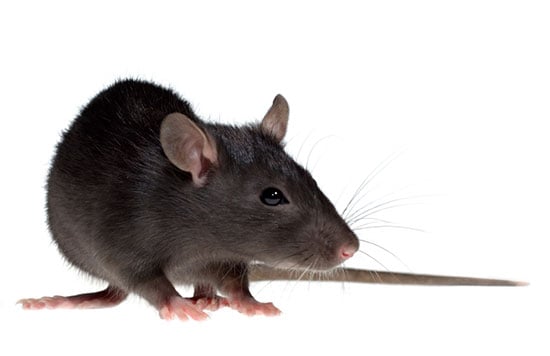
Rodents are one of the most common property pests and are often linked to hidden movement, contamination, gnawing damage, and fast-spreading activity once food and shelter are available.
Common names & variations: House mouse, field mouse, brown rat, black rat, sewer rat
What causes them: Gaps around pipes, vents, doors, drains, easy access to bins or stored food, cluttered nesting areas, nearby vegetation or outbuildings
How they are treated: Targeted baiting, trapping, proofing entry points, and monitoring where activity is well established
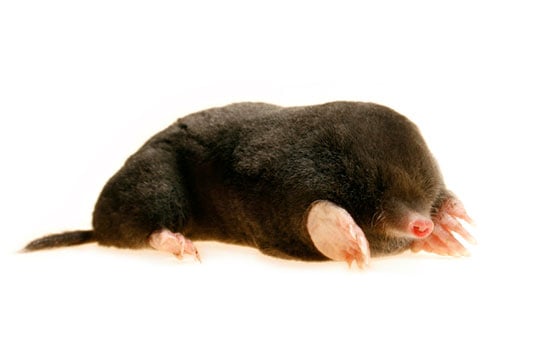
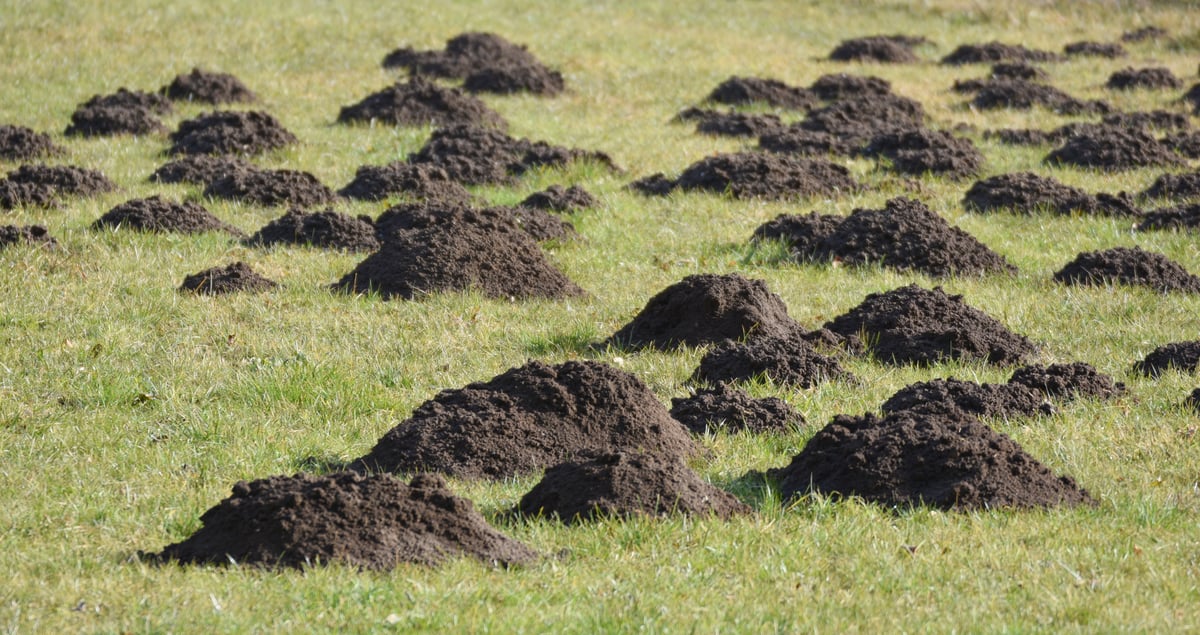
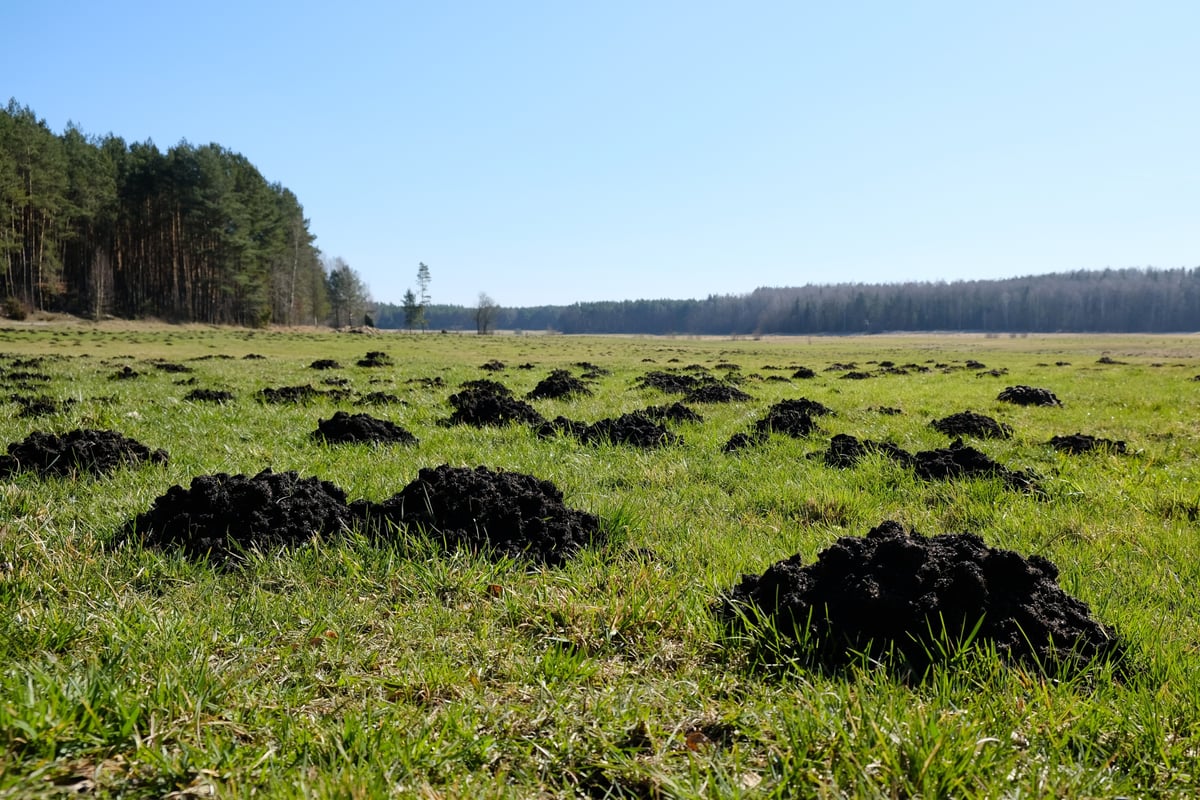
Moles mainly affect gardens and external ground rather than internal living spaces, but their tunnelling can damage lawns, landscaped areas, and soil stability.
Common names & variations: Common mole, European mole
What causes them: Worm-rich soil, damp ground, quiet outdoor areas with limited disturbance
How they are treated: Specialist trapping in active runs, assessment of movement routes, and targeted deterrent measures where suitable
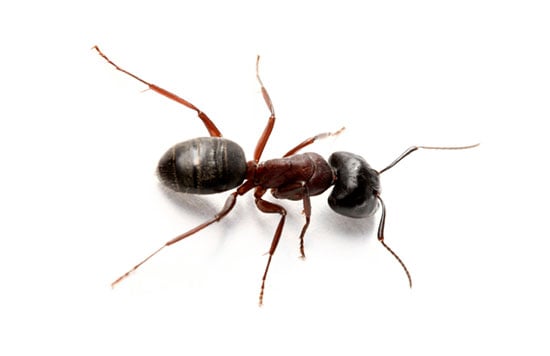
Ant infestations often begin outside and become more noticeable once trails are established indoors around kitchens, floors, and access points.
Common names & variations: Black garden ant, flying ant, pharaoh ant
What causes them: Food residues, sugary spillages, cracks in walls or flooring, warm conditions that support nesting
How they are treated: Colony-targeting gels, residual treatments around entry points, and identification of active trails or nests
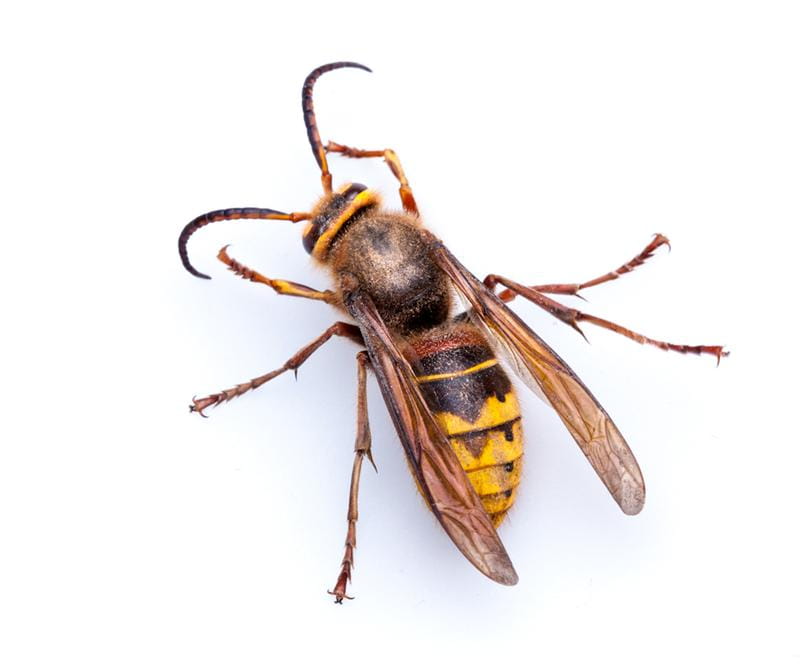
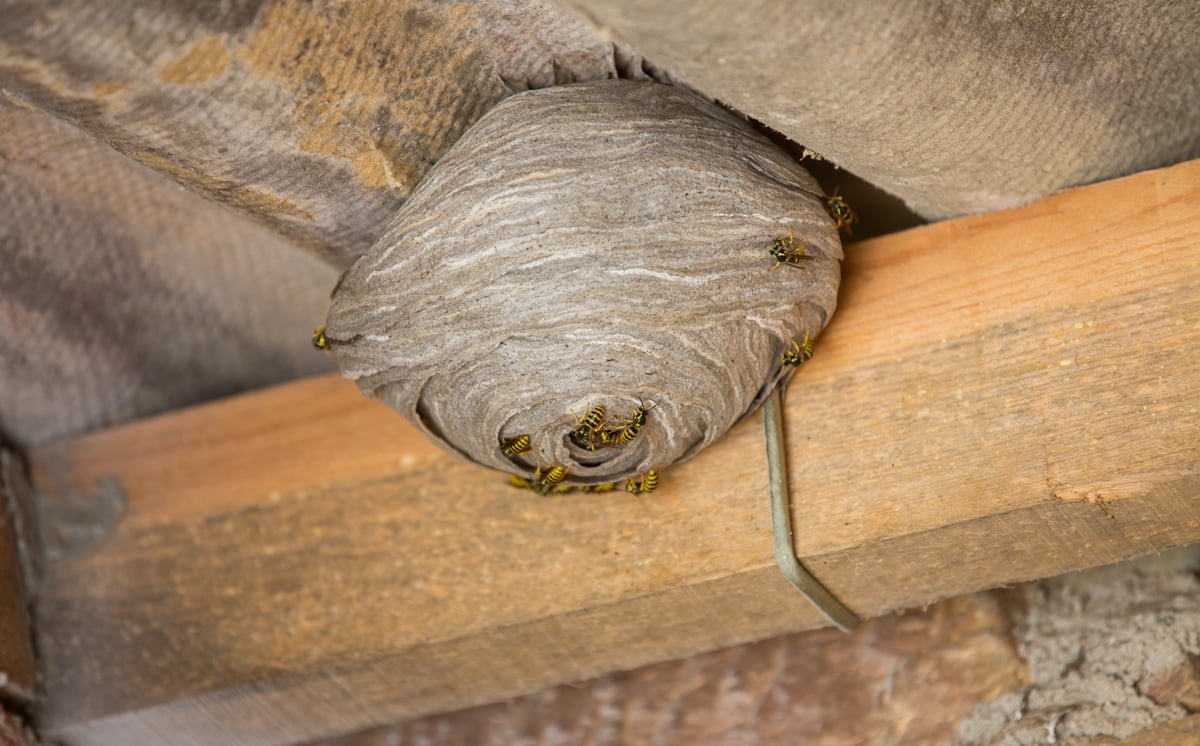
Wasps and Hornets are most noticeable in warmer months when nest activity increases and can become a safety concern around rooflines, sheds, gardens, and workplaces.
Common names & variations: Common wasp, German wasp, European hornet
What causes them: Sheltered nesting spaces in voids, lofts, sheds, or wall cavities, especially during spring and summer
How they are treated: Direct nest treatment, controlled removal where appropriate, and advice on reducing future nesting risks
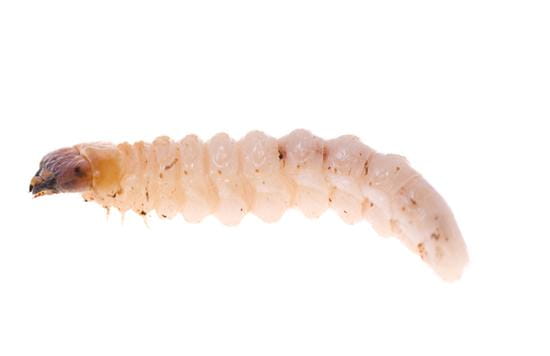
Woodworm is the larval stage of certain beetles and often remains unnoticed until holes, fine dust, or weakening timber begins to appear.
Common names & variations: Common furniture beetle, deathwatch beetle, house longhorn beetle
What causes them: Damp timber, poor ventilation, older untreated wood, and ongoing moisture issues
How they are treated: Specialist treatment applications, moisture management, ventilation improvements, and spread assessment
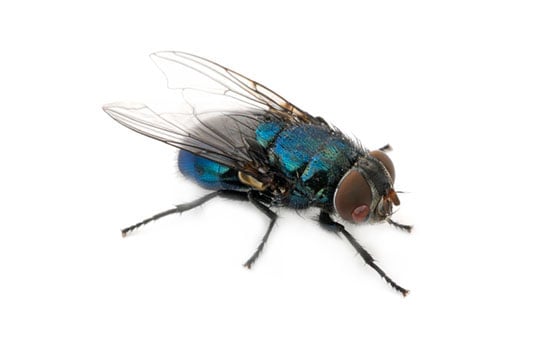
These pests can affect hygiene, comfort, stored food, and fabrics, depending on the species and where activity is developing.
Common names & variations: House fly, cluster fly, clothes moth, pantry moth
What causes them: Waste build-up, exposed food, organic matter, natural fibres, and warm, undisturbed spaces
How they are treated: Lifecycle-focused treatments, sanitation advice, storage guidance, and preventative follow-up where needed
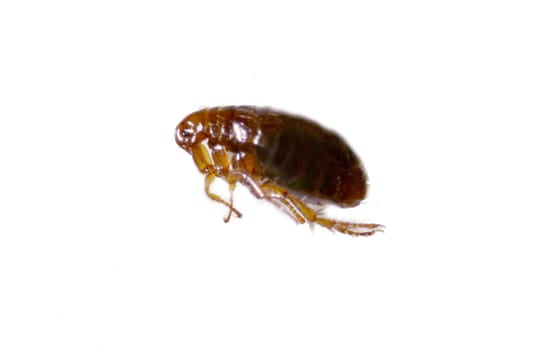
Fleas are often introduced through pets but can spread quickly into carpets, upholstery, and soft furnishings once indoors.
Common names & variations: Cat flea, dog flea
What causes them: Pets carrying fleas inside, eggs and larvae in flooring or furnishings, warm conditions that support breeding
How they are treated: Full-area treatment, follow-up visits where needed, and advice on treating both the property and pet environment
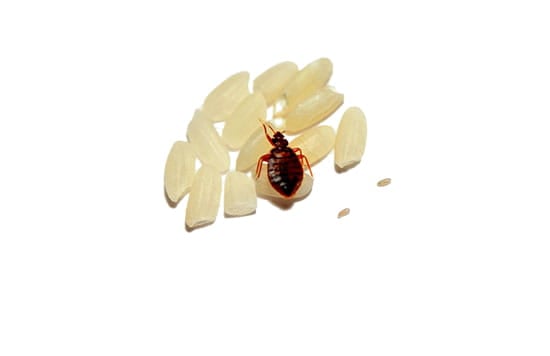
Bed bugs are difficult to spot early and are often linked to travel, furniture transfer, and repeated movement through shared spaces.
Common names & variations: Common bed bug, Cimex lectularius
What causes them: Luggage transfer, second-hand furniture, shared accommodation, and high-turnover sleeping environments
How they are treated: Detailed inspection, heat treatment or specialist insecticidal control, and repeat visits where activity is widespread
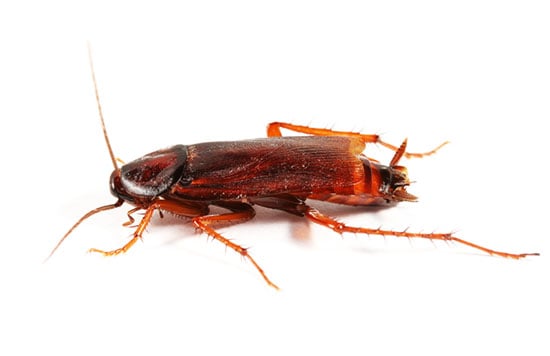
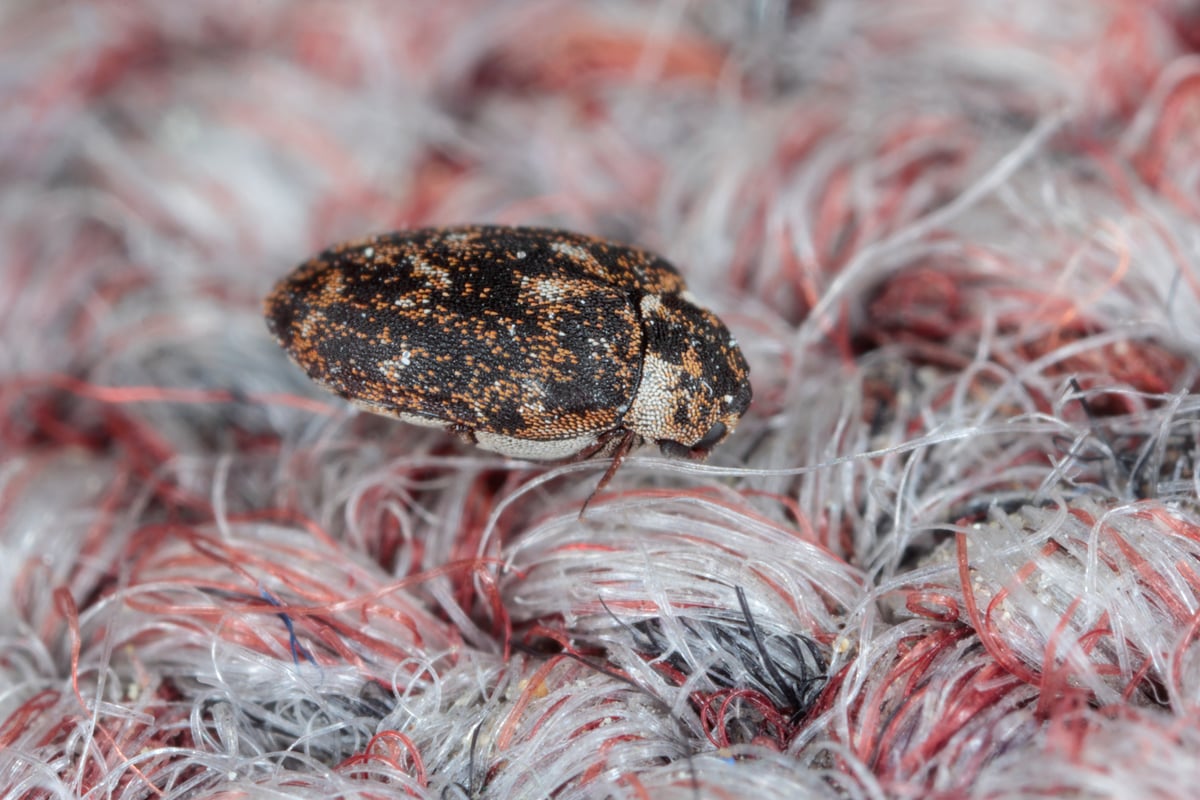
These pests are usually linked to concealed, warm, food-related, or poorly ventilated spaces and can create hygiene concerns if left active.
Common names & variations:Carpet beetle, larder beetle, German cockroach, Oriental cockroach
What causes them: Food waste, spills, moisture, poor ventilation, and hidden harbourage behind units or appliances
How they are treated: Gel baiting, targeted insecticide use, harbourage identification, and hygiene management advice
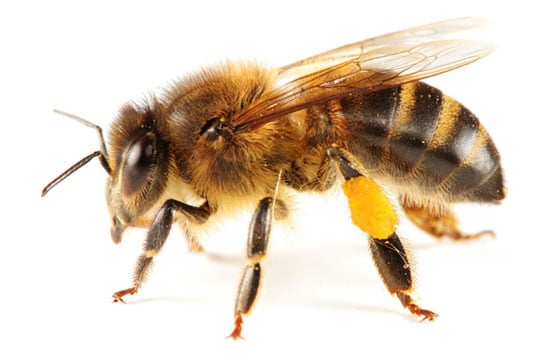
Bees are important pollinators, so the response needs to consider safety and responsible handling rather than assuming a standard removal approach.
Common names & variations: Honey bee, bumblebee
What causes them: Cavities in roofs, walls, and garden structures, sheltered areas near flowering plants, and quiet nesting spaces
How they are handled: Risk assessment, humane relocation where appropriate, and advice based on the nesting situation
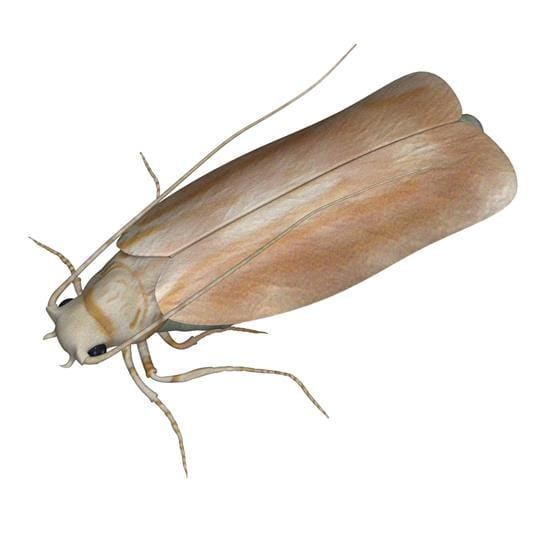
Carpet moth damage is often discovered after larvae have already affected rugs, carpets, or other natural fibre materials.
Common names & variations: Webbing clothes moth, case-bearing clothes moth
What causes them: Wool and natural fibres, low-traffic areas, warm hidden corners, and undisturbed flooring
How they are treated: Targeted treatment in affected areas, deep cleaning, debris removal, and prevention advice
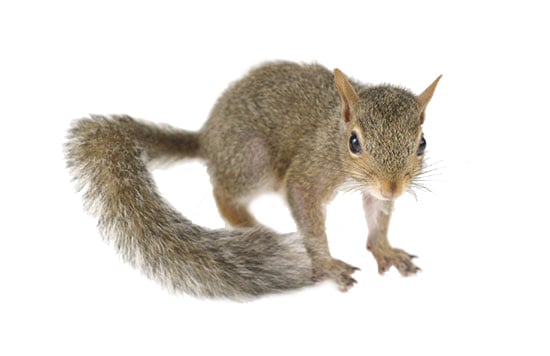
Grey squirrels can become a major issue once they enter lofts and roof spaces, where they may damage insulation, timber, and wiring.
Common names & variations: Eastern grey squirrel, grey squirrel
What causes them: Gaps in roofing or soffits, nearby trees, and quiet loft spaces suitable for nesting
How they are treated: Humane trapping where appropriate, exclusion work, and removal of access routes
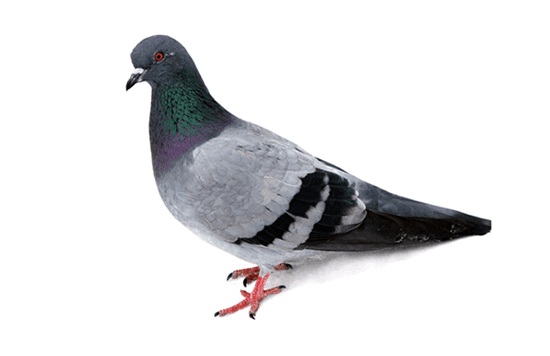
Bird activity becomes a pest issue when roosting or nesting starts to affect building use, cleanliness, or structural condition.
Common names & variations: Pigeons, gulls, starlings
What causes them: Open ledges, rooflines, signage, easy food access, and repeated nesting opportunities
How they are treated: Physical deterrents, exclusion measures, and ongoing maintenance where activity is persistent
Some pest issues are obvious, but many start with smaller warning signs that are easy to dismiss. Scratching in the ceilings may suggest rodents or squirrels. Fine holes and dust in timber may point to woodworm. Trails of ants, bites, droppings, damaged fabrics, nests, grease marks, or repeated insect activity near one room can all suggest different problems. The difficulty is that one sign does not always equal one species. That is why identification matters before treatment begins.
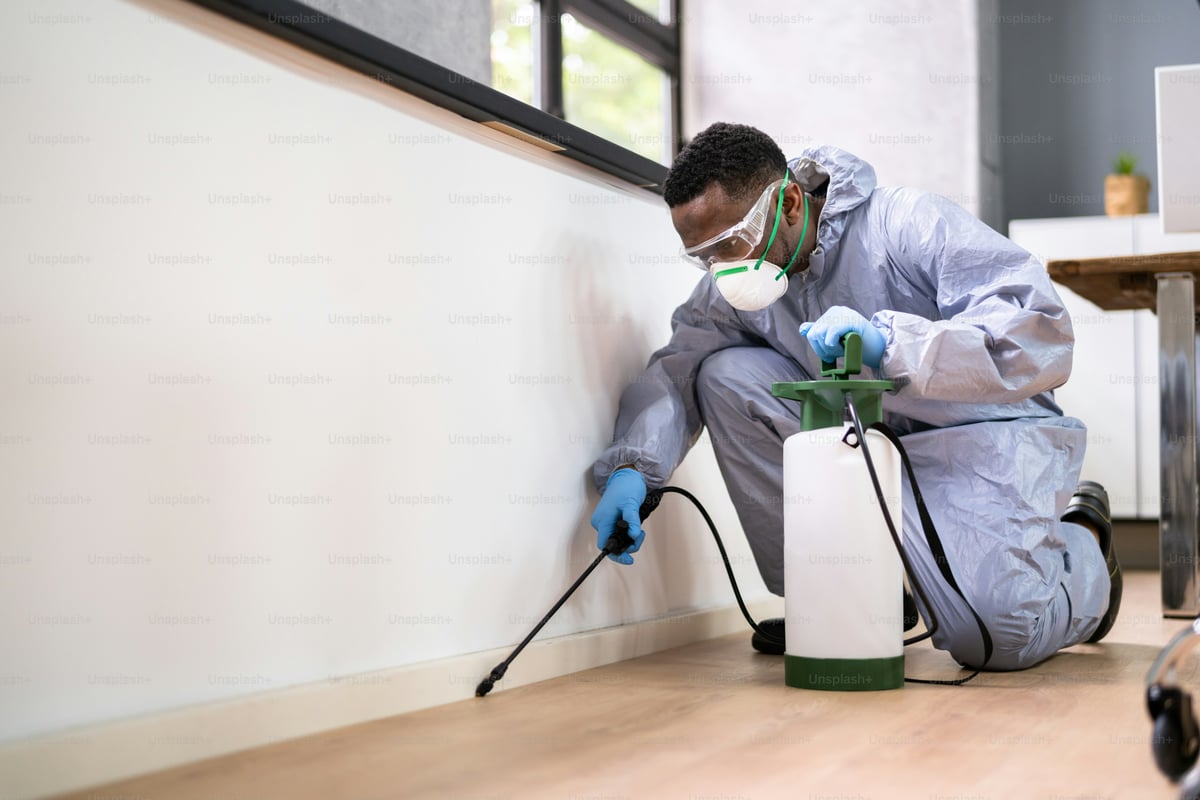
The process starts when you contact the team with details of the signs you have noticed and where activity seems to be developing.
A survey helps confirm the likely species, the scale of the issue, and the access points, nesting conditions, or environmental factors contributing to it.
Once identified, the treatment method is selected based on the species involved, the property type, and the level of activity. Where several pest issues overlap, the approach is adjusted so methods work safely together.
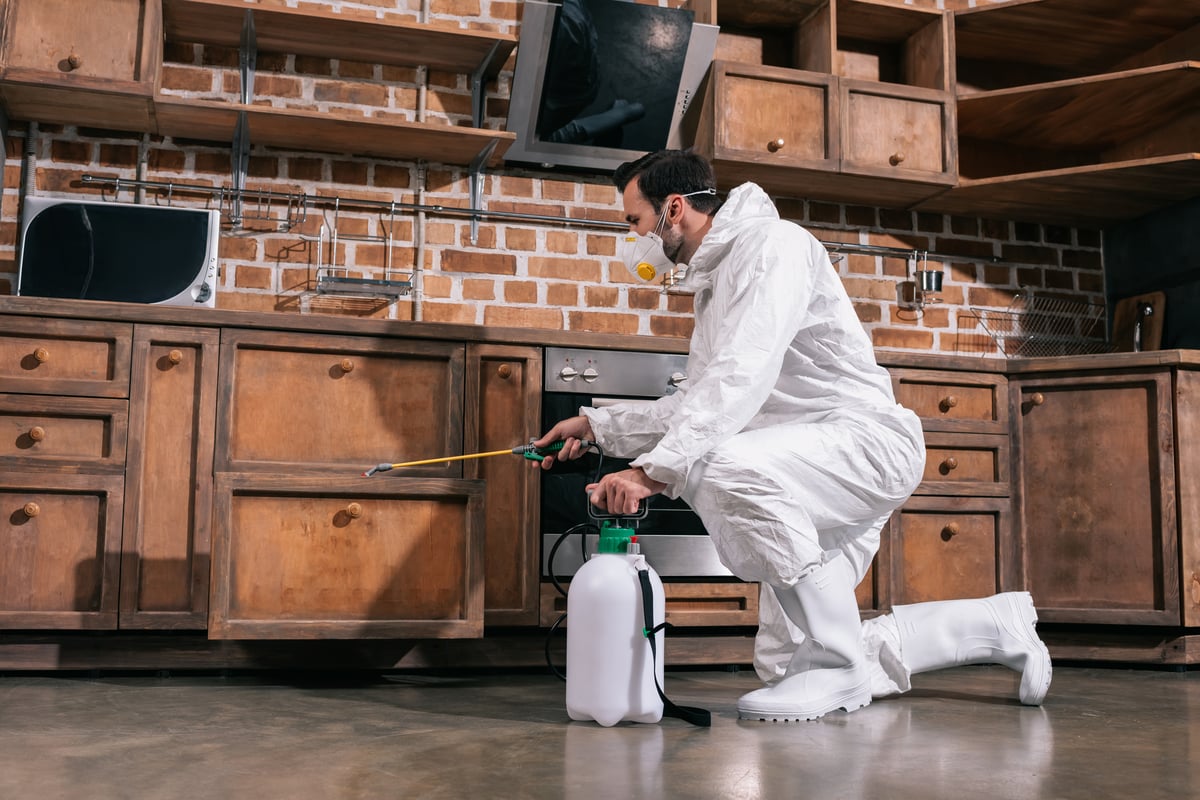
Control measures are then applied in the relevant areas, followed by prevention advice, monitoring, or further visits where needed.


Testimonials
That is common. Early signs often overlap, especially where droppings, noises, minor damage, or insect activity are concerned. Proper assessment is usually the safest next step.
Yes. Some properties have overlapping issues, especially where access points, food sources, moisture, or undisturbed nesting areas support more than one type of pest.
Yes. Behaviour, nesting pattern, lifecycle, and risk level all affect how treatment should be approached.
No. Hygiene can be one factor, but structural access points, weather changes, nesting opportunities, and nearby land conditions can all contribute.
Often, yes. Commercial settings may need treatment that works around access, compliance, timing, and operational disruption. You can learn more through ourpest control management services.
Pest problems rarely improve on their own, and the longer they are left, the more disruptive they can become. If you have noticed signs of activity, are unsure what species may be involved, or want clearer advice on the next step, having the issue properly assessed is often the most practical place to start. We provide invasive species control in Berkshire, Hampshire, Oxfordshire & Wiltshire, helping home and business owners move from uncertainty to a more targeted solution, with advice that reflects the species, the setting, and the level of activity involved.