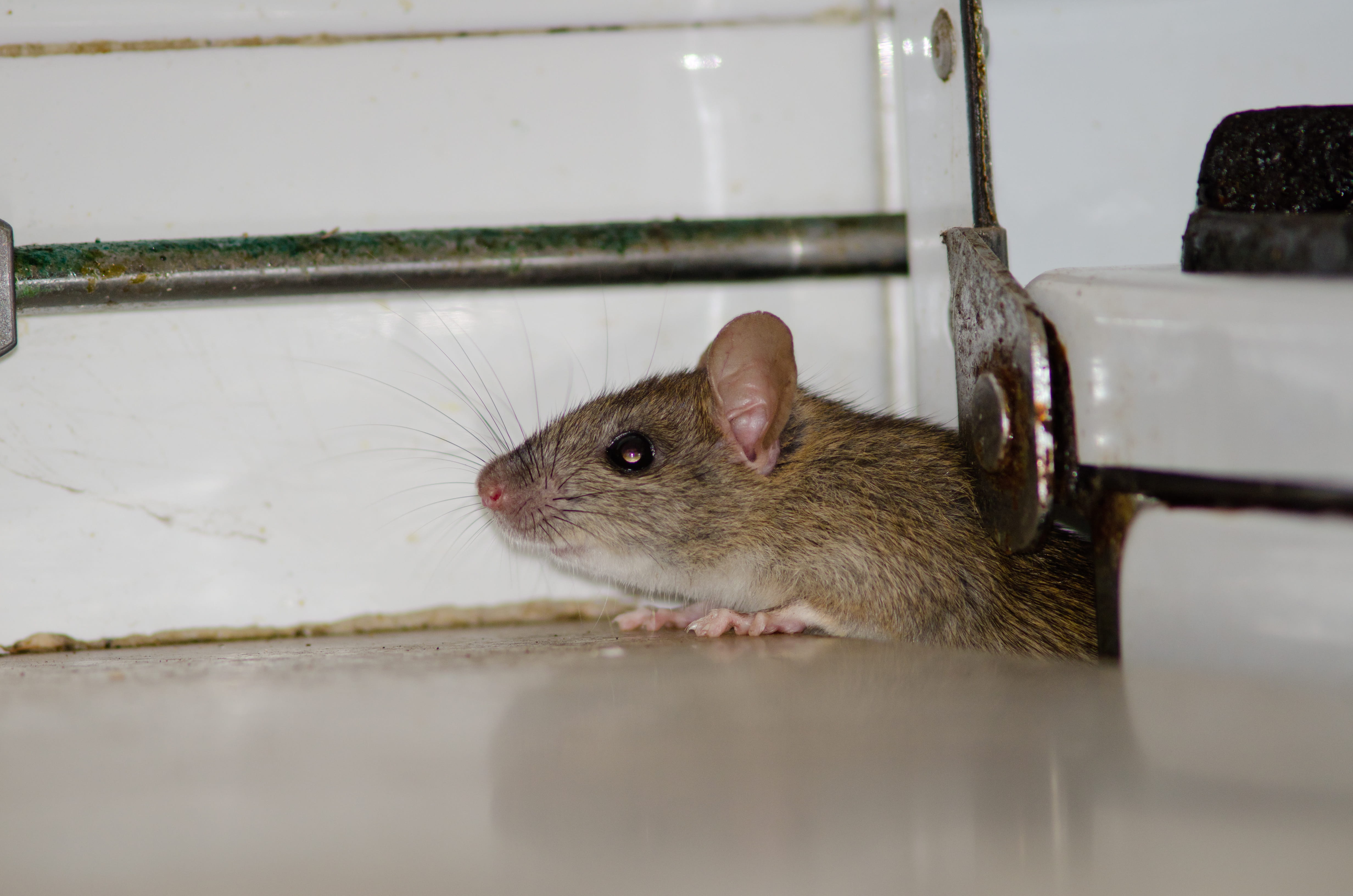
Why Winter Is the Most Common Time for Rodents in the Home, Even If Everything Seems Quiet
It’s a chilly January evening. Your home is quiet, warm, and seemingly pest-free - but behind the walls or up in the loft, unwanted guests could be settling in. At Pest Control Berkshire, we often speak to homeowners who are shocked to discover that rodents in the home during winter is not just possible, but incredibly common.
While everything may seem calm on the surface, rats and mice use the colder months to move indoors and establish nests in your warm, undisturbed spaces. In this article, we’ll walk you through exactly why winter is a prime time for rodent activity, the signs to look out for (even when nothing seems wrong), and what you can do to protect your home before spring breeding season hits.
Why Rodents Are More Active Indoors During Winter
Let’s start with the basics: rodents don’t hibernate. Unlike some garden wildlife, rats and mice stay active all year round, and winter simply changes their strategy. With food sources dwindling outdoors and temperatures dropping, they begin seeking shelter. Your home offers the perfect combination of warmth, food, and safety.
So, what brings rodents inside in winter?
- Consistent indoor temperatures keep them warm
- Kitchens, pantries, and even pet food bowls offer reliable food
- They can nest in loft insulation, inside wall voids, and behind white goods
- External conditions like flooding, frost, or nest disturbances force them indoors
We regularly receive winter callouts in places like Reading, Newbury, and Maidenhead, where rodents have entered homes through damaged air bricks, lifted roof tiles, or even pipe entry points.
Why You Might Not Notice Rodents Right Away
One of the reasons rodents thrive during winter is that they’re incredibly stealthy. Just because you don’t hear or see anything doesn’t mean they’re not there. In fact, rats and mice are nocturnal, and their activity is often limited to the early hours when you’re asleep or out of earshot.
Here are some early, often-missed signs of rodent activity:
- Light scratching or scampering noises in ceilings, lofts, or walls
- Droppings under sinks, in cupboards, or along skirting boards
- Musty odours in enclosed spaces, such as airing cupboards or utility rooms
- Bite marks on plastic, cardboard, or electrical cables
- Disrupted insulation, often found during boiler maintenance or DIY
At Pest Control Berkshire, we’ve seen rodents in homes where the only clue was a few chewed cereal boxes, until an inspection uncovered a sizeable nest in the loft.
If you’re unsure, booking a professional rodent survey can confirm any suspicions without delay.
Why Acting in Winter Prevents Bigger Problems in Spring
This is where timing really matters. Winter rodent activity isn’t just a nuisance; it’s a warning. Come spring, rats and mice breed rapidly. A small presence in January can become a full-blown infestation by March.
The risks of ignoring rodents in winter:
- They can chew through wires, increasing fire risk
- Rodents damage loft insulation, which can lead to energy loss
- Contamination from droppings poses health hazards
- Nesting materials clog vents and can damage pipework
A quiet winter home gives rodents the perfect opportunity to nest undisturbed. When warmer weather hits, the population explodes - and that’s when damage escalates.
Where Rodents Typically Hide in Berkshire Homes
Rodents are excellent at staying hidden. Over the years, we’ve found them in every corner imaginable, especially in homes with older construction or loft extensions.
Top hiding spots we frequently encounter:
- Lofts and attic spaces, especially those with stored boxes or old insulation
- Behind kitchen appliances like dishwashers and fridges
- Under bath panels, airing cupboards, and boiler cabinets
- Inside garden sheds, garages, and unused outbuildings
- Under floorboards, particularly in older homes in towns like Wokingham and Wallingford
Why a Survey Is the First Step
If you’ve even slightly suspected rodent activity, don’t ignore it. We always recommend a comprehensive pest survey before any treatment. This helps us confirm if pests are present, identify entry points, and plan safe, effective removal.
What a survey includes:
- Full property inspection (internal and external)
- Identification of species (rats, mice, or both)
- Photos and notes on entry points and nesting sites
- Advice on prevention, sealing, and treatment options
We offer this service across Berkshire, Oxfordshire, North Hampshire, and nearby regions. Our surveys are discreet and designed to give you peace of mind.
How We Can Help You This Winter
At Pest Control Berkshire, we’ve been helping homeowners tackle pests for over 25 years. As BPCA members, we follow the highest standards of safety and professionalism.
Our winter rodent control includes:
- Expert identification of rodents and nesting activity
- Ethical baiting and trapping methods
- Long-term prevention advice
- Follow-up support if needed
We understand how unsettling a pest issue can be, especially when it’s happening silently in the background. That’s why we prioritise quick response times and honest, expert service.
Explore our full rodent control service: See All Pest Services
Don’t Wait for Spring - Book Your Winter Survey Today
Rodents rarely leave of their own accord. Left undisturbed, they multiply quickly and cause damage that isn’t always visible until it’s serious. If you suspect something is happening behind the scenes, even faintly, now is the time to act.
If you’ve noticed unusual sounds, smells, or damage (or just want peace of mind), get in touch today to arrange a winter rodent survey.
Request your free survey online